
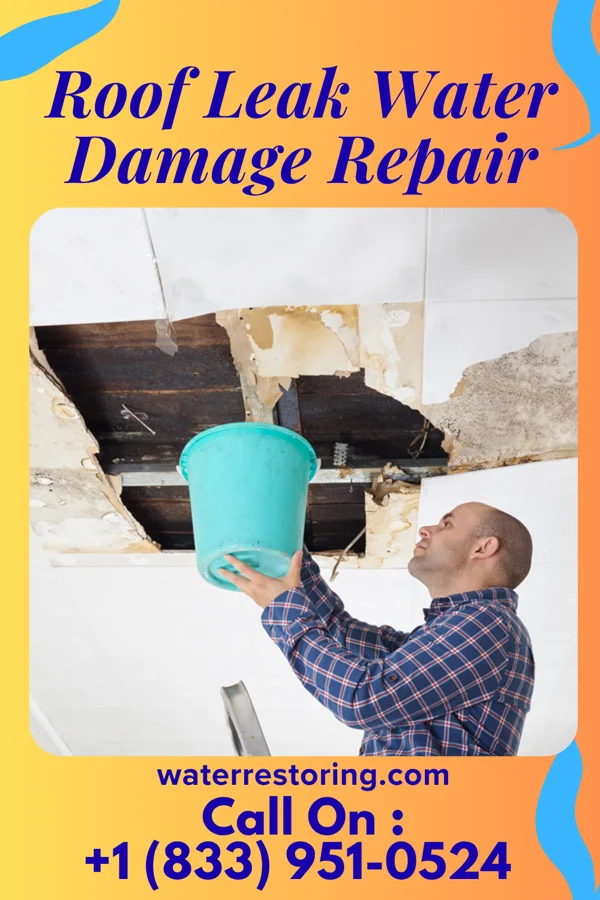
Roof Leaks & Insurance in Chatham
Chatham, Virginia experiences frequent thunderstorms and heavy rainfall, especially during the spring and summer months, which can lead to sudden roof leaks and water damage. The region's humid climate also contributes to prolonged moisture exposure, increasing the risk of water infiltration through damaged roofing materials. is the trigger behind most roof leak water damage repair claims in Chatham. A close second is In addition to thunderstorms, Chatham is occasionally affected by high winds and occasional freezing temperatures, which can compromise roofing integrity and lead to structural water damage. These conditions are particularly dangerous during transitional seasons when weather patterns are unpredictable.. Most homeowner insurance policies cover sudden, accidental water damage. What separates a clean claim from a stuck one is fast professional response with documentation an adjuster can actually use.
The combination of heavy rainfall, high humidity, and occasional strong winds in Chatham creates a challenging environment for roof integrity. These conditions can lead to rapid water infiltration, mold growth, and structural damage if not addressed promptly.
Most roof leak water damage repair calls in Chatham come from Chatham, Virginia experiences frequent thunderstorms and heavy rainfall, especially during the spring and summer months, which can lead to sudden roof leaks and water damage. The region's humid climate also contributes to prolonged moisture exposure, increasing the risk of water infiltration through damaged roofing materials.. Running a close second is In addition to thunderstorms, Chatham is occasionally affected by high winds and occasional freezing temperatures, which can compromise roofing integrity and lead to structural water damage. These conditions are particularly dangerous during transitional seasons when weather patterns are unpredictable.. Local mold risk: Mold growth in Chatham can occur within 48 hours of water exposure, especially in humid conditions. This risk is heightened in poorly ventilated homes, leading to potential health concerns and secondary damage to insulation and structural components.